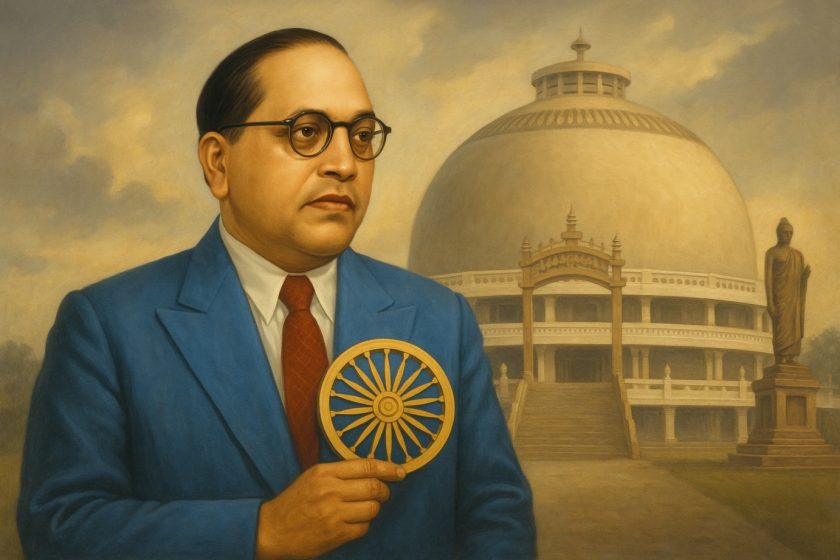
Deekshabhoomi: The Sacred Legacy of Dr. Ambedkar’s Dhamma Revolution in India
Deekshabhoomi: The Sacred Legacy of Dr. Ambedkar’s Dhamma Revolution in India
Introduction
India is a land of revolutions, but few compare to the powerful spiritual revolution ignited by Dr. B.R. Ambedkar at Deekshabhoomi. On October 14, 1956, this sacred ground in Nagpur, Maharashtra became the epicenter of a social and spiritual transformation when Dr. Babasaheb Ambedkar embraced Buddhism, rejecting caste-based oppression and inspiring millions to follow the path of Dhamma.
Deekshabhoomi is not just a religious site — it is a symbol of justice, equality, and human dignity. This blog explores the legacy of Deekshabhoomi, its historical importance, and why it remains a pilgrimage site for millions seeking spiritual and social liberation.
🌟 What is Deekshabhoomi?
Deekshabhoomi (literally meaning “Ground of the Dhamma Initiation”) is where Dr. B.R. Ambedkar, the architect of the Indian Constitution, took refuge in the Three Jewels of Buddhism — Buddha, Dhamma (teachings), and Sangha (community) — along with nearly 500,000 followers.
Located in Nagpur, this site holds tremendous historical and spiritual importance as it marked a mass conversion that challenged the age-old caste system and gave rise to a new wave of Navayana Buddhism — a modern, rational form of Buddhism that emphasizes equality, compassion, and reason.
🕰️ Historical Background: Why Did Dr. Ambedkar Choose Buddhism?
Dr. Ambedkar was born into a Dalit (formerly “untouchable”) family and faced severe discrimination throughout his life. Despite being a brilliant scholar and political leader, he realized that social equality could not be achieved through politics alone.
He famously said:
“Though I was born a Hindu, I solemnly assure you that I will not die as a Hindu.”
After studying multiple religions, Buddhism stood out to Ambedkar for its rationality, lack of caste hierarchy, and emphasis on compassion and morality. He saw it as a tool for social change and spiritual freedom.
🗓️ The Historic Day: October 14, 1956
On this day, at Deekshabhoomi, Dr. Ambedkar publicly embraced Buddhism by taking 22 vows (pledges) that explicitly renounced Hindu gods and caste-based practices. These vows included commitments such as:
- I shall not believe in Brahma, Vishnu, and Mahesh.
- I shall not perform any Hindu rites or rituals.
- I shall follow the Noble Eightfold Path and the teachings of Lord Buddha.
He was initiated by Bhadant U Chandramani, a senior monk, and the event was attended by more than half a million people, many of whom also converted.
This moment is now celebrated annually as Dhamma Chakra Pravartan Din, one of the largest peaceful religious gatherings in the world.
🏛️ Architecture and Design of Deekshabhoomi
The Deekshabhoomi Stupa was completed in 2001 and stands as a symbol of Dhamma and social revolution. Designed by Sheo Dan Mal, this white dome structure is influenced by the famous Sanchi Stupa and can accommodate over 5,000 people at a time.
Key architectural features include:
- A vast meditation hall inside.
- A sacred Bodhi Tree grown from the original tree in Bodh Gaya.
- A bronze statue of Dr. Ambedkar inside the monument.
✨ Deekshabhoomi Today: A Living Symbol of Equality
Deekshabhoomi is now a global pilgrimage site for Neo-Buddhists and followers of Ambedkarite philosophy. Every year on October 14, lakhs of people from across India — and even abroad — gather to pay homage.
Visitors come to:
- Meditate under the Bodhi tree.
- Reflect on Ambedkar’s 22 vows.
- Participate in public talks, Dhamma teachings, and community meals.
Even decades after Dr. Ambedkar’s passing, Deekshabhoomi continues to inspire movements for social justice, education, and spiritual freedom.
🧠 Deekshabhoomi’s Impact on Indian Society
- Spiritual Upliftment
It gave Dalits and marginalized communities a dignified spiritual identity. - Caste Annihilation
The mass conversion at Deekshabhoomi was a peaceful yet powerful rejection of caste oppression. - Modern Buddhist Identity
Deekshabhoomi laid the foundation of Navayana Buddhism — a new rational interpretation of the Buddha’s teachings. - Symbol of Empowerment
It became a rallying point for human rights, education, and equality movements in India.
🔍 Why Deekshabhoomi Matters in 2025
In today’s context of growing social inequality and polarization, Deekshabhoomi is more relevant than ever. It reminds us of a leader who chose non-violence, education, and spirituality to fight injustice.
Recent developments, such as the slow progress of redevelopment and demands for international recognition, have sparked conversations across media and civil society. Spiritual leaders like Bhante Surai Sasai have voiced concern over the need to preserve and develop this heritage site properly.
📣 Conclusion
Deekshabhoomi is not just a place of worship — it is a monument to human dignity, courage, and transformation. Dr. Babasaheb Ambedkar’s Dhamma initiation was not only a personal spiritual journey but a public act of rebellion against injustice.
As we reflect on this historic moment, we must continue to uphold the values of liberty, equality, fraternity, and Dhamma — the very soul of Deekshabhoomi.
Note:
Jai Bhim! Namo Buddhay! Friends, welcome! to Nagvanshingo. If! you find any! information! on our page incorrect or if you would like to share any additional! information! with us, please! contact us at nagbbs50@gmail.com.