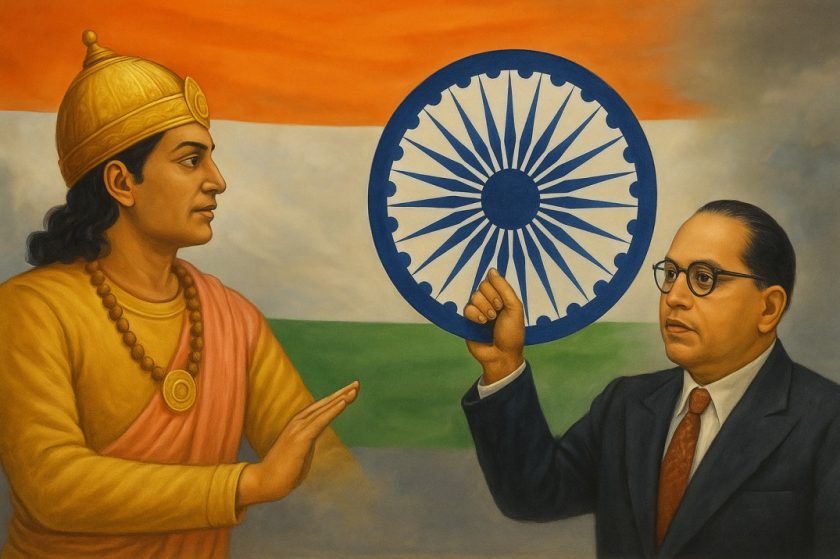
“Ashoka Vijayadashami: The Forgotten Festival of Victory, Dharma & Dhamma Revolution”
Ashoka Vijayadashami: The Festival of Dharma, Victory & Inner Revolution
Ashoka Vijayadashami is more than just a historical day. It is a revolutionary moment in Indian history that symbolizes the victory of non-violence over war, dharma over power, and equality over casteism. Celebrated primarily by Buddhists and Ambedkarite followers, especially in India, this festival marks the conversion of Emperor Ashoka and later, Dr. B.R. Ambedkar, to Buddhism — changing the course of history forever.
Historical Background: From Kalinga to Kalyaan
The story begins with Emperor Ashoka, a powerful Mauryan king whose conquest of Kalinga (modern-day Odisha) in the 3rd century BCE resulted in the death of over 100,000 people. Though victorious, the massive bloodshed deeply disturbed Ashoka. In the aftermath, he underwent a spiritual transformation that led him to embrace Buddhism — renouncing violence and adopting Dhamma (righteousness).
Ashoka’s conversion wasn’t just personal — it was political and civilizational. He spread Buddhism across Asia through rock edicts, pillars, and missionary work, promoting peace, compassion, and ethical governance.
📖 Dhamma Chakra Pravartan Day: The Modern Ashoka Vijayadashami
Fast forward to 14 October 1956, a new Ashoka emerged in modern India — Dr. Bhimrao Ramji Ambedkar. In a massive event at Deekshabhoomi, Nagpur, he led the largest mass religious conversion in history, where over 5 lakh Dalits embraced Buddhism to escape the shackles of the Hindu caste system.
Ambedkar’s conversion was not only spiritual but also a socio-political revolution. By choosing Ashoka Vijayadashami (Dussehra Day), Ambedkar gave a new meaning to the day: from the victory of Rama over Ravana to the victory of knowledge, equality, and dignity over ignorance and discrimination.
Since then, this day is celebrated as:
- Ashoka Vijayadashami
- Dhamma Chakra Pravartan Din
- Ambedkarite Buddhism Day
🌼 Significance of Ashoka Vijayadashami
🕊️ 1. Victory of Non-Violence over War
The festival is a reminder of Ashoka’s transformation — from a ruthless warrior to a promoter of peace and compassion.
🧘♂️ 2. Rejection of the Caste System
Ambedkar’s conversion to Buddhism on this day was a powerful rejection of caste-based inequality and oppression.
📜 3. Promotion of Prabuddha Bharat (Enlightened India)
The ultimate goal of Ashoka Vijayadashami is to awaken minds, break mental slavery, and build a truly egalitarian and enlightened society.
🛕 4. Cultural Reclaiming
It is a reclaiming of India’s true cultural heritage that predates Brahminism — one rooted in Buddhist values of reason, compassion, and equality.
🎉 How Is Ashoka Vijayadashami Celebrated?
Ashoka Vijayadashami is grandly celebrated in:
- Nagpur (Deekshabhoomi)
- Mhow (Ambedkar’s birthplace)
- Mumbai, Pune, Delhi, and other major cities
Major Activities Include:
✅ Mass Buddhist conversions
✅ Chanting of Trisharan and Panchsheel
✅ Dhamma teachings by monks
✅ Cultural events, speeches, and processions
✅ Offerings at the stupa and Bodhi tree
People wear white, gather in lakhs, and raise slogans like:
“Jai Bhim! Jai Bharat! Namo Buddhaya!”
🌍 Ashoka Vijayadashami in Global Context
Today, this celebration resonates beyond India:
- In Sri Lanka, Nepal, Japan, Thailand, and Myanmar, Ashoka’s legacy is honored as the one who brought Buddhism.
- Indian diaspora in UK, USA, Australia, and other countries organize Ambedkarite Buddhist gatherings to spread awareness.
💬 Why It Matters Today?
In a time where communal hatred, caste violence, and social injustice still exist, Ashoka Vijayadashami reminds us that:
- Real strength lies in transformation, not destruction.
- Equality is not a privilege but a birthright.
- Dharma is not about rituals, but about humanity, justice, and compassion.
📢 Ambedkar’s Message on Conversion:
“I will not die as a Hindu, for this is not a religion but a slavery.”
This radical stand by Ambedkar was a call to awaken and organize. Ashoka Vijayadashami continues to be that call — every single year.
📚 The Teachings That Shape the Day
Panchsheel:
- No killing
- No stealing
- No sexual misconduct
- No lying
- No intoxication
Trisharan:
- I take refuge in the Buddha
- I take refuge in the Dhamma
- I take refuge in the Sangha
🙏 Legacy of the Two Ashokas
| Emperor Ashoka | Dr. B.R. Ambedkar |
|---|---|
| Gave up violence | Gave up casteism |
| Adopted Dhamma | Revived Navayana Buddhism |
| Spread peace globally | Fought for human dignity |
| Built stupas, edicts | Built a revolution |
🛕 Deekshabhoomi: The Living Symbol of Ashoka Vijayadashami
Deekshabhoomi in Nagpur is not just a monument — it’s a living revolution. On Ashoka Vijayadashami, it becomes a sea of white-dressed pilgrims, echoing with chants of liberation and unity.
If you’re an Ambedkarite or Buddhist, this place becomes your Mecca, your Bodhgaya, and your Ayodhya — all in one.
🗣️ Conclusion: From Ashoka to Ambedkar – The Legacy Continues
Ashoka Vijayadashami is not just a festival — it is a movement, a message, and a mission. It teaches us that transformation is the real victory. It reminds us that the fight is not against people, but against ignorance, injustice, and inequality.
So this Vijayadashami, don’t just burn Ravana — burn the Ravana inside that divides people by caste, religion, and hate.
Celebrate the real victory — the Victory of Dhamma.
Note:
Jai Bhim! Namo Buddhay! Friends, welcome to Nagvanshingo. If you find any information on our page incorrect or if you would like to share any additional information with us, please contact us at nagbbs50@gmail.com